Over the years, I've seen countless startups face the same dilemma: build fast or build right? The truth is, with the right approach, you can do both. Here's what I've learned about building MVPs that can grow with your business.
Start With the Right Foundation
The key to a scalable MVP isn't about predicting every future requirement—it's about making smart architectural decisions that don't paint you into a corner. This means choosing technologies with proven scaling paths, implementing clean separation of concerns, and avoiding premature optimization while keeping performance in mind.
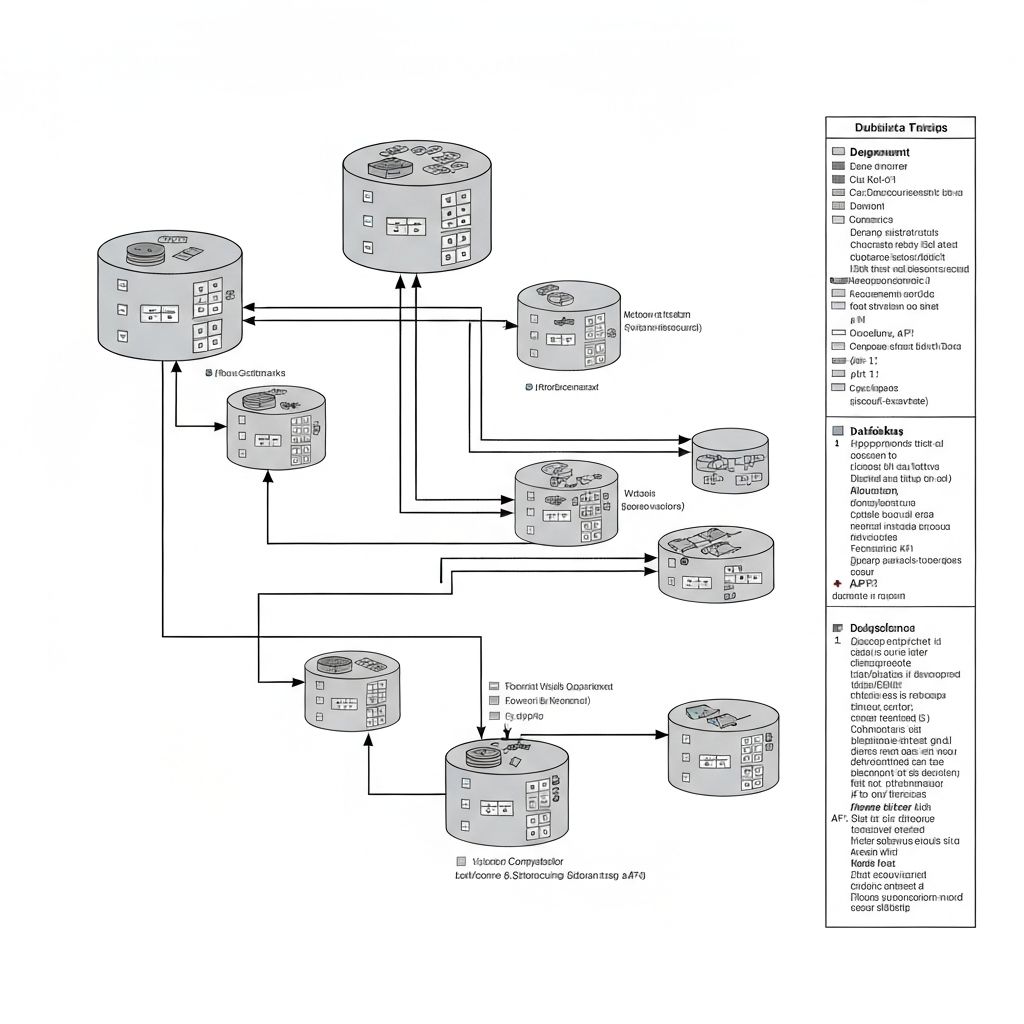
Database Design Matters From Day One
One of the most common mistakes is treating your initial database schema as temporary. While you shouldn't over-engineer, taking time to think through your data model pays dividends. Migrations are possible but expensive—both in development time and potential downtime.
Embrace Modular Architecture
Build your MVP in discrete modules from the start. This doesn't mean microservices on day one—a well-structured monolith with clear boundaries is often the right choice. The goal is to make it easy to extract and scale components independently when the time comes.
Invest in Observability Early
You can't scale what you can't measure. Implementing basic logging, monitoring, and error tracking from the beginning helps you understand where bottlenecks will emerge before they become critical issues.
Know When to Refactor
Not everything needs to be perfect from the start. The art is knowing which technical debt is acceptable and which will haunt you. Authentication, payment processing, and data integrity—get these right initially. Everything else can evolve.
Building an MVP that scales isn't about having all the answers upfront. It's about making informed decisions, maintaining flexibility, and knowing when to invest in infrastructure versus features. With the right approach, your MVP can grow from serving your first users to handling millions without a complete rewrite.