Choosing your tech stack is one of the most consequential early decisions for a startup. Pick wisely, and you'll move fast while building on a foundation that can scale. Choose poorly, and you'll face costly rewrites or struggle to find developers. Here's my framework for making this decision.
Optimize for Development Speed First
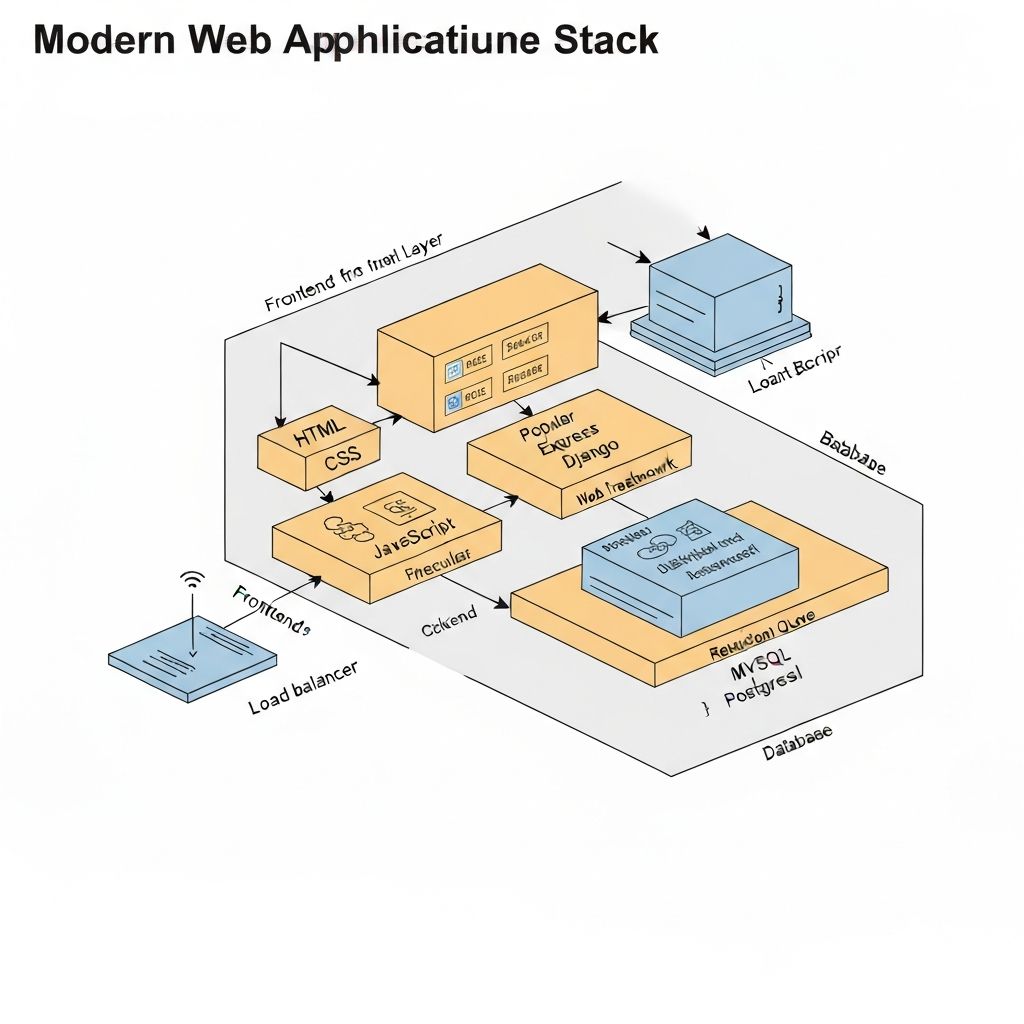
For an MVP, your primary constraint is time. Choose technologies that let you ship quickly. This often means picking mature, well-documented frameworks with large ecosystems. The "boring" choice is usually the right choice—there's a reason React, Node.js, Python, and PostgreSQL are so popular.
Consider Your Team's Expertise
The best tech stack is the one your team knows well. A familiar technology that's 80% optimal will deliver better results than the "perfect" stack that requires learning. If you're hiring, consider the talent pool—some technologies make recruiting significantly easier than others.
Think About the Full Development Lifecycle
Your tech stack isn't just about writing code. Consider deployment, testing, monitoring, and maintenance. Modern platforms like Vercel, Railway, or Fly.io can dramatically reduce operational overhead, letting you focus on building product instead of managing infrastructure.
Choose Technologies That Can Scale
You don't need to build for millions of users on day one, but you should choose technologies with proven scaling paths. PostgreSQL can handle enormous workloads. Next.js apps can scale from hobby projects to enterprise applications. Avoid niche technologies that might limit you later.
Don't Overlook the Ecosystem
A rich ecosystem of libraries, tools, and integrations accelerates development significantly. Need authentication? Payment processing? Email sending? Mature ecosystems have battle-tested solutions. Newer technologies might be exciting but could mean building everything from scratch.
Balance Innovation and Stability
There's a place for cutting-edge technology, but recognize the tradeoffs. Using the latest framework might give you technical advantages but could mean limited documentation, frequent breaking changes, and difficulty hiring. For most startups, proven stability wins over bleeding edge.
My Current Recommendations
For most web applications in 2024, I recommend: Next.js for the framework, TypeScript for type safety, PostgreSQL for the database, and platforms like Vercel for deployment. This stack offers excellent developer experience, strong performance, and a clear path to scale. But remember—the best stack is the one that helps you ship your product and validate your idea quickly.