After over a decade in engineering leadership—from early-stage startups to scale-ups to established mid-level companies—I've witnessed the same patterns of struggle repeat themselves across countless organizations. These aren't isolated incidents; they're systemic issues that hold back innovation and waste enormous amounts of time, money, and talent. dataDyne Laboratories exists to solve these problems.
The Pattern I Kept Seeing
Throughout my career as a Director of Engineering, I've stepped into organizations at various stages of growth, and the challenges have been remarkably consistent. Founders with brilliant ideas struggle to get their MVPs to market quickly enough. Companies that achieved product-market fit find their codebases collapsing under their own weight. Teams are stuck maintaining legacy systems that make every change feel like defusing a bomb.
I've seen startups spend six months building features users never wanted because they lacked the discipline to validate assumptions first. I've watched scale-ups lose their competitive edge because their original MVP architecture couldn't handle growth, forcing complete rewrites that consumed entire quarters. I've observed mid-level companies hemorrhaging money on consultants who delivered generic solutions without understanding the unique constraints of early-stage companies.
The SDLC Problem
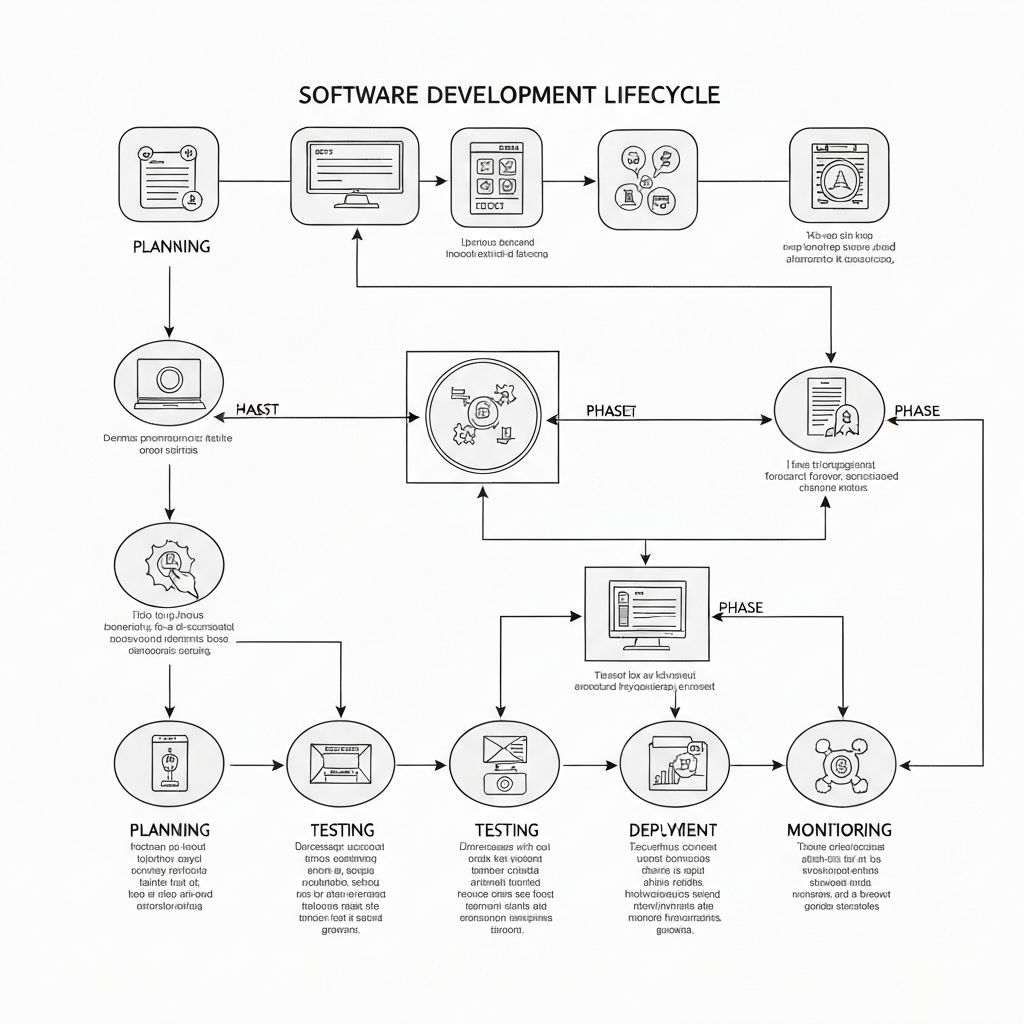
One of the most frustrating patterns has been watching organizations struggle with their Software Development Lifecycle. In multiple roles, I've had to completely restructure how teams build, test, and deploy software. The typical scenario: developers working in isolation, manual testing processes that everyone dreads, deployments that require weekend war rooms, and a complete absence of meaningful metrics.
I've implemented modern CI/CD pipelines, introduced automated testing frameworks, established code review practices, and built monitoring systems that actually help teams understand what's happening in production. These transformations consistently reduced deployment times by 60-70% while dramatically improving reliability. But here's the thing—these shouldn't be exceptional achievements. These should be the baseline for any organization building software in 2025.
Building and Growing Teams
Throughout my various leadership positions, I've built engineering teams from the ground up and scaled existing ones. I've hired dozens of engineers, created interview processes that actually assess what matters, and developed onboarding programs that get new hires productive quickly. I've established engineering cultures that balance moving fast with building sustainably.
What struck me most was how many organizations lack the frameworks to do this effectively. They hire reactively, lack clear role definitions, have no structured growth paths for their engineers, and wonder why retention is poor. I've implemented leveling frameworks, established technical and management tracks, created mentorship programs, and built promotion processes that are transparent and fair.
The MVP to Production Challenge
Perhaps the most critical work I've done has been helping companies transition from MVP to production-grade architecture. This is where most startups either thrive or slowly die. The code that helped you validate your idea becomes the anchor preventing you from scaling. The shortcuts that were pragmatic at 100 users become catastrophic at 10,000.
I've led multiple efforts to transform MVP codebases into scalable systems without stopping the business. This requires careful planning, incremental changes, maintaining backwards compatibility, and making strategic decisions about what to refactor versus rebuild. It's not glamorous work, but it's essential, and most founders don't know how to approach it.
My Motivation for Starting dataDyne
I started dataDyne Laboratories because I kept seeing founders struggling with problems I've already solved multiple times. Brilliant people with transformative ideas were being held back by software delivery challenges that are completely solvable with the right expertise and approach.
I'm motivated by the gap between how things are and how they should be. Startups shouldn't spend months building the wrong thing. They shouldn't have to choose between speed and quality. They shouldn't have their growth limited by technical architecture decisions made when they had three users. They shouldn't have to learn expensive lessons about SDLC, team building, and technical architecture through trial and error.
I've been in the trenches. I've transformed SDLCs, built high-performing teams, created entire departments, delivered MVPs on impossible timelines, and migrated those same MVPs to production-grade architectures that enabled hypergrowth. These aren't theoretical frameworks I learned in a book—they're battle-tested patterns from years of hands-on leadership across multiple organizations at different stages.
What We Do Differently
dataDyne Laboratories exists to bring this experience directly to founders and early-stage startups. We focus on two critical phases: getting your MVP to market fast, and transitioning that MVP to a scalable, production-grade system. We move at startup speed because we understand the urgency. We make pragmatic decisions because we've lived with the consequences of both over-engineering and taking shortcuts.
We're not here to sell you a six-month engagement with a 50-page requirements document. We're here to help you ship, learn, iterate, and scale. We understand that your constraints are real, your timeline is aggressive, and your resources are limited. We've succeeded under those exact conditions multiple times.
The Impact I Want to Have
My goal is simple: help more great ideas become successful businesses by removing the software delivery obstacles that hold back so many founders. Every startup that fails because they couldn't ship fast enough or couldn't scale their architecture is a tragedy. Every founder who spends months solving problems that are already solved is wasted potential.
If you're a founder struggling to get your MVP to market, or you've achieved product-market fit but your codebase is buckling under growth, you're facing problems I've already solved. Let's talk about how we can help you move forward without repeating the mistakes I've seen too many times before.
The software industry has made incredible advances in the last decade. There's no reason startups in 2025 should still struggle with the same fundamental challenges. Let's fix that together.